
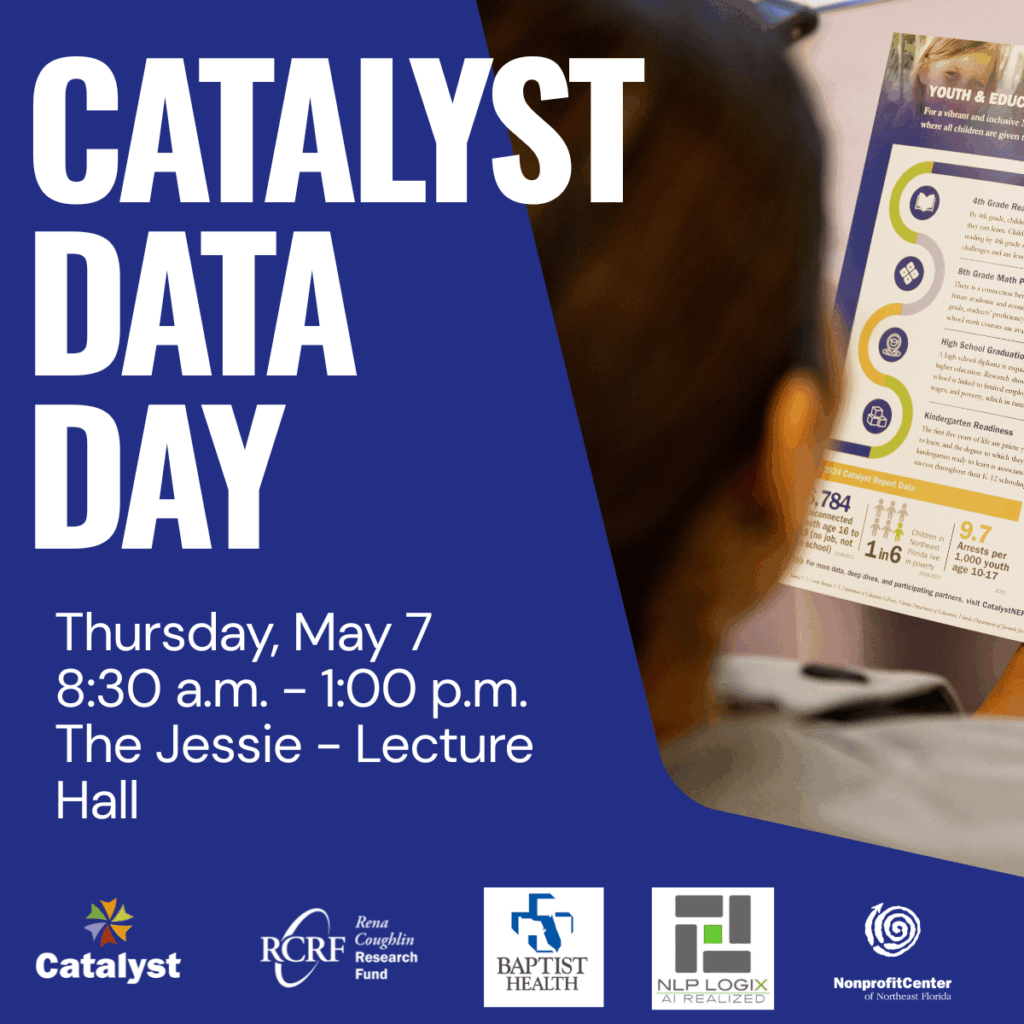
Catalyst Data Day
Northeast Florida’s first community‑wide data convening is taking place on May 7 at the Jessie Ball duPont Center. This half‑day event will bring together nonprofits, researchers, local data providers, and mission‑driven partners to explore how data can illuminate community needs, spark collaboration, and strengthen the impact of local work.
Through keynote addresses, demos of locally developed and executed data project and deep dive sessions to learn how the data and research were conducted, there is something for everyone, no matter your familiarity with data.
Our speaker lineup includes leaders from University of North Florida’s Data Science for Social Good, Neighborhood Nexus, LISC Jacksonville, Here Tomorrow, Cathedral Arts Project, and the University of Florida’s Florida Institute for Built Environment Resilience, each highlighting powerful local examples of data in action.
Please Note: This event is free for members of the Nonprofit Center and costs $25 for nonmembers.

Data Day Hosts
Dr. Dan Richard is a Professor of Psychological and Brain Sciences at the University of North Florida and Co-Director of the Florida Data Science for Social Good program. His Ph.D. is in Social Psychology and Quantitative Methods from Texas Christian University. His research interests include applied data science/AI, preventing extremism and terrorism, transformational learning, and community engagement.
Dr. Karthikeyan Umapathy is a Professor in the School of Computing at the University of North Florida and Co-Director of the Florida Data Science for Social Good program. He is a recipient of the FIS Distinguished Professor in Computing Award. He has a Ph.D. in Information Sciences and Technology from Pennsylvania State University. His work integrates service learning, AI, data science, and software engineering to address real-world challenges faced by nonprofits and small businesses.

 Keynote Address
presented by Tommy Pearce, Executive Director, Neighborhood Nexus
Ignite Presentations
 Impact of Arts Education
presented by Lucy Chen, VP of Advocacy and Community Engagement at Cathedral Arts Project
When children in Jacksonville pick up a paintbrush, learn a musical scale, or step onto a stage, meaningful and measurable changes occur—something the Cathedral Arts Project has spent years documenting. Nationally recognized for its evidence-based approach to arts education, CAP’s data team will share how they combine surveys and evaluations with academic outcome data to track the impact of arts participation from early childhood through high school.
 Tracking Patients Across Healthcare
presented by Dr. Terrie Andrews, PhD, FACHE, President & CEO of Here Tomorrow
Mining the data has provided preliminary insights into the person seeking care by zip code, age, gender, and if they are a military or first responder. The strong partnership with Baptist Health has yielded a successful program that now into two years, has reduced the one-year readmission rates by 60%. We are at the beginning stages of understanding the UWNEFL 988 referrals and the success of those persons enrolled in our program. Roughly 25% of our friends are enrolled in psychotherapy and are showing success. We are building a new software system to better track friend outcomes. Early insights show that individuals who are regularly meeting with their assigned peers and/or attending psychotherapy through Here Tomorrow are not being readmitted for new suicidal attempts.
 Sustainable & Supportive Housing for Salutogenic Health (S3)
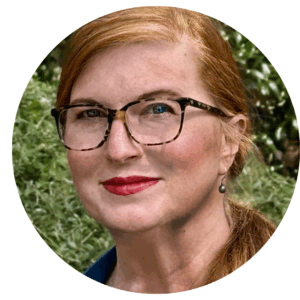
presented by Dr. Lisa Sundahl Platt, Ph.D. Research Faculty and Technology Lead, Florida Institute for Built Environment Resilience (FIBER) & Assistant Professor of Interior Design, UF College of Design, Construction and Planning
Sustainable & Supportive Housing for Salutogenic Health (S3) is a community-based framework exploring how regenerative residential design can strengthen the physical and mental well-being of residents in vulnerable urban neighborhoods. Drawing on a case study in Jacksonville's Historic Eastside community, Dr. Platt's work integrates sustainable planning, supportive housing principles, and salutogenic health theory to identify which specific housing design improvements most meaningfully impact residents' quality of life. Her research uses occupancy surveys, community listening sessions, socioecological data models, and building performance data with findings which will be made accessible through open web-based dashboards for use by planners, policymakers, and community stakeholders across the Southeast.
 The Intersection of Homeownership Preservation and Community Trust
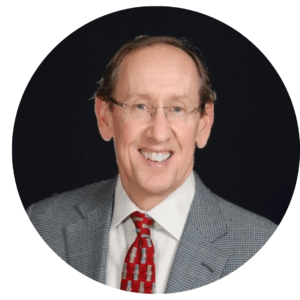
presented by John Sapora, Senior Program Officer, Housing Resiliency, LISC Jacksonville
Sharing LISC's data work that informs LISC's Homeownership Preservation Initiative focused on heirs' property, property tax relief and home repairs. Data is most powerful when it is in service of action - helping us better understand where to focus, whom to reach, and how to deploy resources effectively, while remaining grounded in trusted, community-based relationships. Learn more about this work here: https://www.lisc.org/jacksonville/about-us/what-we-do/heirs-property/https://www.lisc.org/jacksonville/about-us/what-we-do/heirs-property/
To view each session click on the dots above.